Renting vs. Buying: A 2026 Cost Comparison
The rent-or-buy math has shifted in several major cities. Here's how to run the numbers for your own situation.
9
Min
Introduction
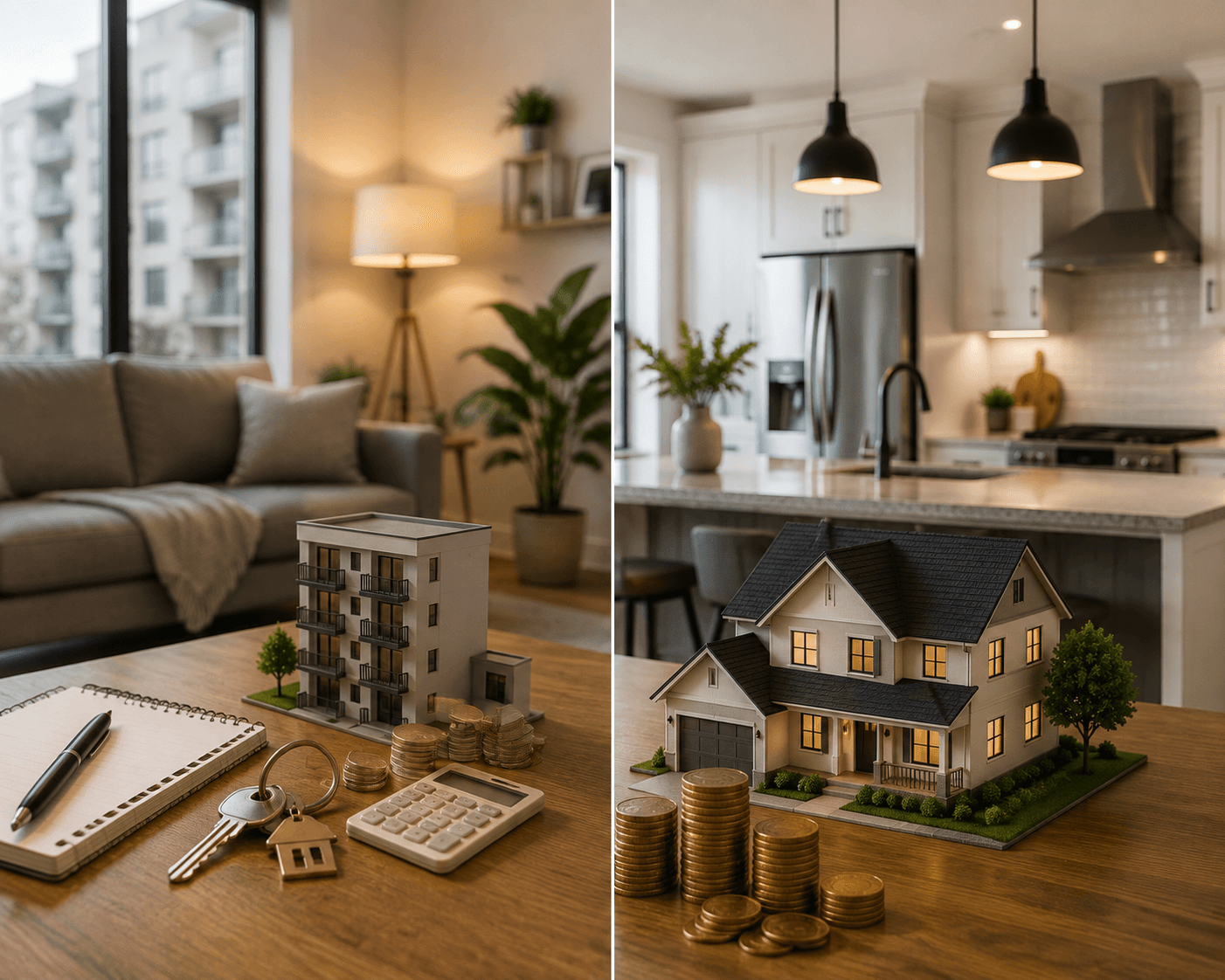
The decision between renting and buying a home has become more complex in 2026. With changing interest rates, property prices, lifestyle preferences, and financial goals, many people are carefully evaluating whether homeownership is the right choice or if renting provides better flexibility. There is no single answer that works for everyone. The better option depends on your income, long-term plans, location, financial stability, and how long you plan to stay in one place. In many markets, renting may offer lower short-term costs, while buying can provide long-term wealth-building benefits through ownership and equity growth.

Understanding the Real Cost of Renting
Advantages of Renting:
1. Lower Initial Costs
One of the biggest benefits of renting is that you usually avoid large upfront expenses associated with buying a home.
Renters typically do not need to pay:
Large down payments
Property registration costs
Major repair expenses
Home renovation costs
This makes renting attractive for young professionals, people relocating, or those still building savings.
2. Greater Flexibility
Renting allows you to adapt quickly to life changes.
It can be beneficial if you:
Change jobs frequently
Move between cities
Want to explore different neighborhoods
Are unsure about long-term plans
This flexibility can be valuable, especially early in your career.
3. Fewer Maintenance Responsibilities
Home repairs and unexpected expenses can add significant costs for homeowners.
Renters generally have fewer responsibilities for:
Major repairs
Structural maintenance
Appliance replacements
Property upgrades
This makes monthly budgeting more predictable.
Understanding the Real Cost of Buying
Buying a home requires a larger financial commitment, but it can provide long-term benefits that renting does not offer.
1. Building Equity Over Time
Every mortgage payment contributes toward owning an asset. Instead of paying rent without ownership, homeowners gradually build equity in their property.
Over time, property appreciation can increase the value of the investment.
2. Long-Term Financial Security
Homeownership can provide stability by giving you control over your living space and reducing dependence on rental market changes.
Benefits include:
Ownership security
Potential property appreciation
Ability to customize your home
Long-term asset creation
3. Protection Against Rising Rent Costs
Rental prices can increase over time depending on market conditions and demand.
Owning a property can provide more predictable housing costs, especially when financing terms are fixed.
Renting vs Buying: Cost Factors to Compare
When comparing both options, consider more than just the monthly payment.
Monthly Expenses
Renting:
Monthly rent
Utilities
Security deposit
Rent increases
Buying:
Mortgage payment
Property taxes
Insurance
Maintenance costs
Home association fees
The actual cost of ownership is usually higher than just the mortgage payment.
Which Option Makes More Sense in 2026?
Renting May Be Better If:
✔ You need flexibility
✔ You may relocate soon
✔ You want lower upfront expenses
✔ You are saving for a future purchase
✔ You prefer fewer responsibilities
Buying May Be Better If:
✔ You plan to stay long-term
✔ You have stable income
✔ You can comfortably manage ownership costs
✔ You want to build an asset
✔ You are investing for future wealth creation
Important Questions Before Deciding
Before choosing between renting and buying, ask yourself:
How Long Will I Stay Here?
Buying usually makes more sense when you plan to stay for several years.
Can I Afford All Ownership Costs?
Consider taxes, maintenance, repairs, and unexpected expenses.
Do I Have Enough Savings?
A comfortable emergency fund and upfront savings are important before purchasing.
What Are My Long-Term Goals?
Your career plans, family goals, and investment strategy should influence your decision.
The Smart Approach in 2026
Instead of viewing renting as “throwing money away” or buying as automatically better, evaluate your personal financial situation.
For some people, renting while investing savings elsewhere may be the smarter choice. For others, purchasing a property can create long-term stability and wealth. The right decision depends on your timeline, financial position, and lifestyle priorities.
Final Thoughts
Renting and buying both have advantages in 2026. Renting offers flexibility and lower short-term costs, while buying provides ownership, stability, and potential long-term financial growth.
The best choice is not about following a general rule—it is about selecting the option that aligns with your financial goals, lifestyle needs, and future plans. A thoughtful comparison of costs and benefits can help you make a confident housing decision.
Featured Stories
Insights That Help You Move Forward
Explore top real estate trends, buying tips, and expert advice for your next property decision.



FAQ
Need Help? We’ve got you covered
See how buyers and sellers are finding the right properties, listing with confidence,
and moving forward with a simpler experience.
How can I integrate my marketing tools with Grow?
To integrate your marketing tools, go to Settings, select your platforms (Google Ads, Facebook, etc.), and follow the setup instructions. Your data will sync automatically for a unified view.
Is there a free trial available?
Is Grow suitable for small businesses?
How can I track ROI and campaign performance in real-time?
What kind of support does Grow offer?